[00:00:00] Speaker A: Foreign.
[00:00:04] Speaker B: Welcome to the CBD Ed show with Ed Chaney, a CBD industry expert and business executive.
In this program, we will discuss the uses of CBD and other methods of treatment that are alternatives, but also complement conventional medicines. Now, here is your host, Ed Chaney.
[00:00:23] Speaker C: Welcome to the CBD Ed Show.
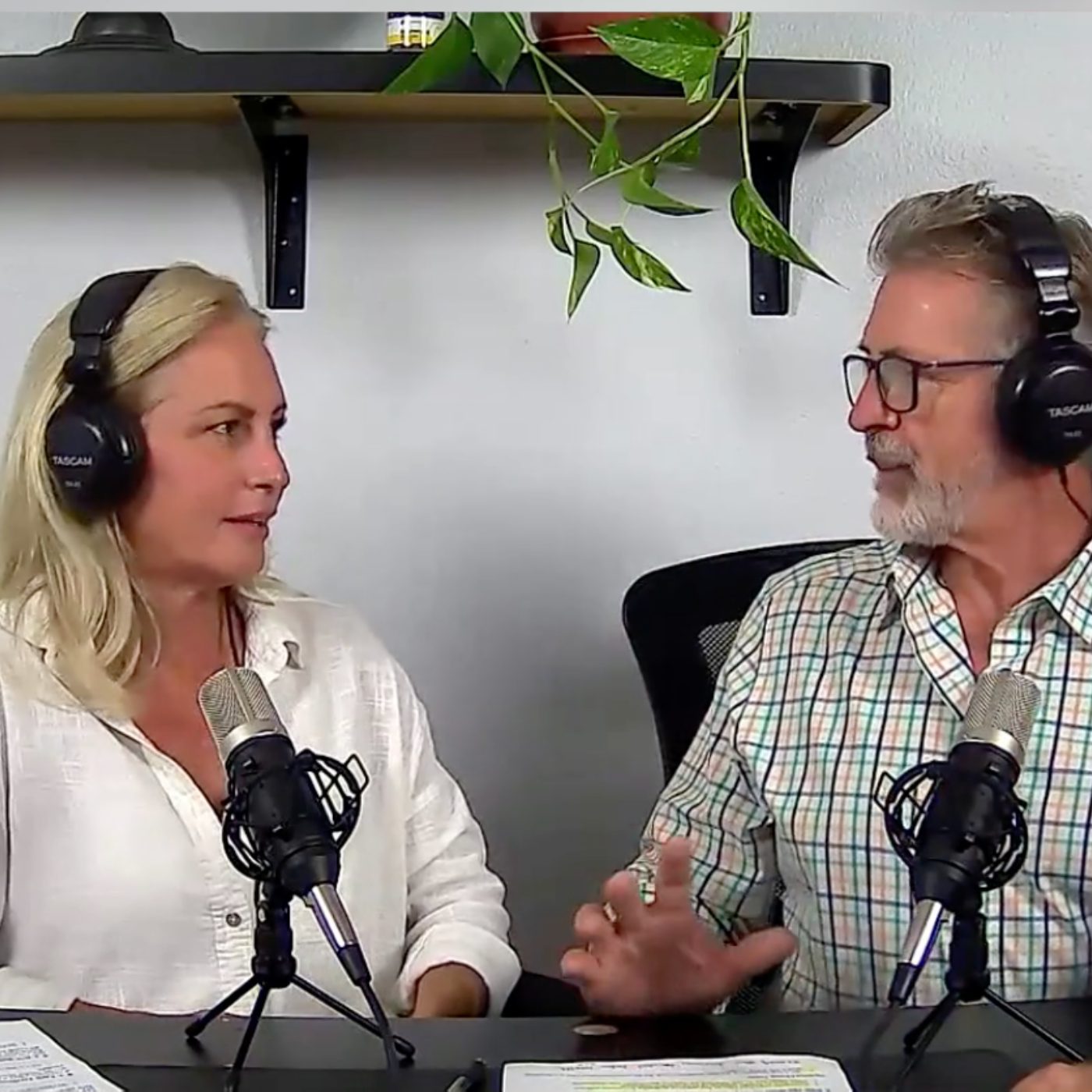
I'm your host, Ed Cheney, along with beautiful and very summery Kimberly Rose. Kimberly Rose, welcome to the show.
[00:00:37] Speaker D: Well, I'm here every week.
Thank you, Ed. That was very nice. Hello, everyone.
[00:00:43] Speaker C: Yeah, so what I'm doing is being kind to her. I'm going to go right back to making her blush probably on our next episode, because that was much more entertaining.
Okay, so today, in keeping with our July 4th theme about loving our furry friends, our pets, today's topic is CBD royal treatment for your pooch. Now, what does that really mean?
That means we'll learn the proper way to give a massage and share also a new technique that our guest here has discovered when doing pet massages.
Anybody want to guess what that technique involves?
CBD called Kimberly Rose.
So not only are we going to share why you should consider massage for your pet, we're also going to share the techniques that Janelle has learned over the years.
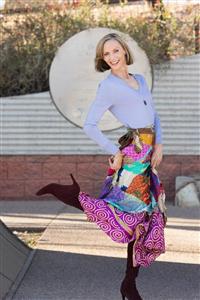
And we're going to hear that straight from our guest on today's show, which is Janelle Alexandra. Janelle, welcome to the show.
[00:01:55] Speaker A: Thanks for having me.
[00:01:56] Speaker C: You are. Thank you for. Yeah. For sharing with our audience.
[00:01:59] Speaker A: Yes.
[00:02:00] Speaker C: Because I think, am I correct, our audience will actually get to learn how to give a massage to their pet?
[00:02:07] Speaker A: Yeah. Yeah, it's.
[00:02:09] Speaker C: That sounds incredible right there. That was enough value for me to have tuned in today.
All right, so let me say a little bit about Janelle, because she may not boast about how cool she really is. She is a seasoned body coach, a therapeutic touch, corrective functional training and nutritional counseling, as well as a lymphatic. Lymphatic.
[00:02:38] Speaker A: Lymphatic.
[00:02:39] Speaker C: Thank you. Enhancement. Correct technician.
[00:02:42] Speaker A: Yes.
[00:02:42] Speaker C: All right, so we have a lot of talent with us today, and she is going to. She has the same love for our furry friends as Kim and I do.
So Janelle is there. Can you tell us a little bit about your passions in this. In this area?
[00:03:01] Speaker A: Well, I love massaging anything alive, I think, at this point. I mean, I used to have a turtle, and I would, like, massage her shell, too, and you could just tell she really liked it. So I think just touching. Right. I think every living creature on the planet, it's touches such a nurturing, vital, key element of our lives.
[00:03:19] Speaker C: So you know, it's entertaining that or is interesting. I'm sorry, it's very interesting to me because when you and I spoke, I went on to Google Scholar and I said, oh, my goodness. I did massage and pets and I got 33, 000 hits on Google Scholar. And I, I, as I was saying that out loud, I'm going, this does seem a little odd. So I started going through the first page and oh my God, let me tell you what I found. So many studies were just talking about what you just referenced.
Just the touch between a human and an animal was literally so effective for so many things.
[00:03:59] Speaker A: It's beneficial on both sides. You know, the pet gets benefits as well as the human.
[00:04:03] Speaker C: You are absolutely right. You're absolutely right. Those studies were almost balanced between that. The balance the efficacy being towards the pet or towards the human. You're absolutely right. And then, so then I had to dig to find out the therapeutic massage, the studies that were related to the therapeutic massage and that.
So spot on. You're absolutely right. Huge, huge amount of content out there, by the way, from a clinical perspective.
[00:04:28] Speaker D: Right.
[00:04:29] Speaker C: I don't just do Google. That's. Yeah. Then I get, I get a bunch of sales stuff, so. Well, thank you for sharing. I think let's jump right into the more frilly, fun stuff, which is what does the general population currently know to be the benefits of pet massage?
[00:04:52] Speaker A: I think really the connection. Right. I think the top is that it connects us to our pets.
[00:04:58] Speaker C: Okay.
[00:04:58] Speaker A: Right. It brings us the connection, the closeness. It definitely calms the dogs, which again, I think the secondary benefit is that then it calms us down.
[00:05:06] Speaker C: Yeah. See anxiety a lot.
[00:05:08] Speaker D: Right.
[00:05:08] Speaker A: Like when we look at therapy dogs and what they can do for us in general.
[00:05:11] Speaker C: Yeah.
[00:05:12] Speaker A: It actually boosts their immune system.
[00:05:15] Speaker C: Important.
[00:05:16] Speaker A: Yeah. It eases aching muscles. So those who have arthritis or any type of degenerative type diseases, it's beneficial for dogs who have just had any type of surgery.
[00:05:26] Speaker C: Okay.
[00:05:27] Speaker A: Well, you want to wait. A contraindication is not to massage with stitches or open wounds. You want to wait until the healing and stuff.
[00:05:32] Speaker C: But that makes sense.
[00:05:34] Speaker A: Yeah.
[00:05:34] Speaker C: Yep.
[00:05:35] Speaker D: Yeah. And I mean, I'm going to go ahead and say, right. They're just like humans. It's just therapeutic. Good for the body, good for the mind, good for everything. I mean, when I'm done with the massage, I'm like, oh, that just felt so good. Can I go back in?
[00:05:49] Speaker A: Yeah. It increases life expectancy.
[00:05:52] Speaker D: Yeah, yeah, yeah.
[00:05:53] Speaker A: Good.
[00:05:54] Speaker C: Can we talk to. So I, I read one place that it improves lymphatic flow.
What, what would that, can you speak to that? Because I, I, it threw me for a little bit. It made me want to go dig a little deeper.
I thought. No, I'm just going to ask Janelle.
[00:06:08] Speaker A: So lymphatic system works a little bit in conjunction with just our respiratory system. Right. It, anything that flows through the body and the lymphatic system specifically helps eradicate metabolic waste through the system.
[00:06:21] Speaker C: Makes sense.
[00:06:22] Speaker A: So like large proteins or anything else that the body can't break down. So antibiotics, viruses, bacteria, anything like that? Yeah.
[00:06:30] Speaker C: Okay.
[00:06:31] Speaker A: And then so lack of movement. Older dogs, they're not moving as much or humans as well. We, we get those stuck in things like our joints where eventually starts to aggravate things like arthritis and things like that.
[00:06:41] Speaker C: Yeah, that clears up a lot, huh?
[00:06:42] Speaker A: Yeah. So increasing circulation helps pull all of that through the, the lymphatic system and keeps all of our, our entire system clean.
[00:06:49] Speaker C: Okay.
[00:06:49] Speaker D: And is that a special kind of massage for humans?
[00:06:53] Speaker A: Yeah, there is a very special kind of massage. I'm sure we could probably work a little bit of that system in with the dogs, but with fur and, and things like that, it kind of gets in the way of that.
[00:07:02] Speaker D: Right, right, right. That makes sense.
[00:07:04] Speaker C: Yeah. So you probably just need to also learn how to adjust to fur because fur comes in many forms too.
[00:07:10] Speaker A: It does come in many forms. Yeah. But that's why I have my lymphatic system. I have my, my lymphstar machine. Is that something that can go over the fur? So it targets all different kinds of.
[00:07:18] Speaker C: Oh, oh, okay. That's interesting to know. Thank you very much for sharing on that.
We have, we know that anxiety is big and you know, and you, as you spoke, it went in both directions.
Kim and I have currently our experiences with our 11 year old dog.
[00:07:41] Speaker D: Yeah.
[00:07:41] Speaker C: But 11 year old, 90 pound dog, a golden retriever. That arthritis is already starting to set in.
[00:07:48] Speaker D: It's definitely showing up in her back hips. Yeah, yeah, yeah. She's, it just takes a little bit longer for her to get up off the floor. Yeah, yeah, yeah. I mean, I've put some carpets down. Obviously she's on cbd, but I always noticed that if I go and rub her back hips, she, she stays there for quite a while. Like, oh yeah, this feels good. Let's keep doing this.
[00:08:16] Speaker C: Yeah.
[00:08:17] Speaker D: I didn't realize that that's what I was helping her with is get, I mean now if I think about me, mine's my lower back and my right hip. That. Yeah. Massage is really Key for making that feel. Feel better.
[00:08:32] Speaker A: Yeah.
[00:08:32] Speaker D: In that area.
So I.
She's 11 and she's definitely showing signs.
So I, I just never really thought about massage. I don't know why.
[00:08:44] Speaker A: The larger animals probably needed a lot more as well.
[00:08:47] Speaker D: Yeah.
[00:08:47] Speaker C: Well, let's speak to this one because you, You. You have our attention and we could connect right to this and we can have a conversation. And I'm going to gather that the audience at large.
There's going to be a lot of pet owners that are in our spot.
[00:09:01] Speaker A: Yeah.
[00:09:02] Speaker C: They'll have an aging dog starting to struggle with getting up and down places like, you know, the couch or.
[00:09:10] Speaker D: Right.
[00:09:10] Speaker C: Stairs in and out of the house, stuff like that.
[00:09:13] Speaker D: Yeah, yeah, yeah, yeah. So do you. Do you, as a. As an owner, would you look to massage your pet daily? Do you?
[00:09:22] Speaker A: Well, who doesn't want to massage daily?
[00:09:24] Speaker D: I know, right? That's what I was saying. I'm like, well, wait a minute, Casey, are you going to give me.
She's like, no, I'm going to go to bed after I'm done.
[00:09:37] Speaker C: I think this. I just had a visual that now I'm going to see that there's going to be a chain of massage going into the house. I'm going to be behind Kim. Kim's going to be.
And then we're going to rotate.
[00:09:47] Speaker A: Yeah, that's the best kind.
[00:09:49] Speaker C: All right, here we go.
[00:09:50] Speaker A: It's based on each family's lifestyle. Right. Like, you know, we've got kids as well, and people work in or out of the house. We've got things that are always going on during the week. So I think it's based on each person's lifestyle. If they've got it in their routine daily to bond with their pet and to massage them daily like that, like maybe before bed or first thing in the morning when they're reading the paper, whatever that may be, then. Yeah, massage them daily. Right. Because then. Then they're here in our lives a lot longer.
[00:10:14] Speaker D: Yeah. So. But for you, it.
If I was to say, okay, I need, you know, I don't have time. I've got work. I've got all these things. Would. Would you be able to come in and give a massage to my dog like once a week or twice a week and just give her that. Good. Because I'm sure, obviously your techniques are going to be way better than mine.
[00:10:39] Speaker A: I think. I think we underestimate ourselves as pet owners, you know?
[00:10:43] Speaker D: Yeah.
[00:10:43] Speaker A: When there are pets, for sure. Just like our babies, too, we're constantly nurturing Them and stuff. So, yeah, we underestimate ourselves as owners.
[00:10:49] Speaker D: But did you, did you teach yourself to do this pet massage or did.
[00:10:53] Speaker A: You know, when I went through the canine massage course, I think all of us as massage therapists, we were all looking at each other like, really, this is, this is at the basis of it because it's so similar to how we would massage a human or what we're already doing to our pets because we love them. Right. Just that soothing, nurturing touch.
[00:11:11] Speaker D: Yeah, yeah, yeah. I would think as having an older dog, this would be a very beneficial thing to have somebody come in and, and, and do that for your dog. Like a real massage. I mean, again, I give her a good rub down, but I don't know if that's really therapeutic, like something you would do.
She's not, she's happy. Yeah.
[00:11:31] Speaker A: She's not growling or walking away, I think.
[00:11:33] Speaker D: Yeah.
[00:11:34] Speaker A: You're doing a good job.
[00:11:35] Speaker D: Right, right. Yeah, yeah. No, but I honestly, I like when I went through physical therapy, that was part of. That was probably my favorite part of physical, obviously, because it wasn't painful, but it feels therapeutic to an older dog to help her be more mobile back there and you know, where the things are. Okay.
[00:11:57] Speaker C: Well, yeah.
Bring an observation, and I think I'm one that everybody will connect to, but also, but often may not put all the pieces together.
Kimberly, we have chosen, put our dog on cbd. We have chosen to put her on good, high quality food, and we did it. For what reason? The same reason I keep hearing her say, why not do these things so that we can enjoy our love furry animal longer.
[00:12:22] Speaker D: Right.
[00:12:24] Speaker C: This seems to be falling right in line with that. Increasing their.
Their ability to be mobile and longer.
[00:12:37] Speaker D: Sure. Yeah. No, and it is mainly for mobility for, you know, because they're. They're big and their hips and joints are an issue when they get old.
Good. For her whole life.
[00:12:51] Speaker A: Yeah. Yeah. That's a right. We want to feel good our whole lives.
[00:12:54] Speaker D: Yeah.
[00:12:54] Speaker A: We want to be sitting in a wheelchair.
[00:12:56] Speaker D: Right.
[00:12:56] Speaker A: The last 10 years of our lives.
[00:12:57] Speaker D: Yeah, yeah.
[00:12:59] Speaker C: So I think this is a mindful approach, is that this would be considered one of those and very easy to do tools to help our pets live a little bit longer and a better life. Longer.
[00:13:13] Speaker D: Yeah, yeah, I know. I've even seen a video of a lady having like a baby pug. A puppy.
[00:13:18] Speaker C: Yeah.
[00:13:19] Speaker D: Laying on his back on her lap and she's just giving him a massage and he's just laying there like, this is just the best since peanut butter. And she Started as a puppy.
[00:13:28] Speaker A: As a puppy. We start them out younger than. They're definitely more adapt to it. Just like grooming and everything else like that. They're used to the manhandling.
[00:13:35] Speaker D: Yeah, that's.
[00:13:36] Speaker C: So we. When we, when we first got introduced to Janelle, Janelle came by and gave us an example with our 95 pound.
[00:13:46] Speaker D: Yes.
[00:13:47] Speaker C: Golden retriever.
[00:13:48] Speaker D: Roscoe.
[00:13:49] Speaker C: Roscoe. So he's in English. So he's white and, you know, he's young, four and a half years old.
[00:13:56] Speaker D: Well, he's five now.
[00:13:57] Speaker C: Five now. Okay.
[00:13:57] Speaker D: Yes.
[00:13:58] Speaker C: Still, you know, full of piss and vinegar.
He's a male and he jumps up on the table and he's like, what the hell am I doing up here? And how can you get this done quickly? Because I got stuff to do.
Right. And what was it? Inside of like maybe 12 seconds, his whole face turned different. It was like, yeah, I'm not getting down. This is where I'm living the rest of my life.
[00:14:26] Speaker D: Yeah, right. He loved it.
[00:14:29] Speaker A: And he was like, don't forget that spot.
[00:14:30] Speaker C: Right.
[00:14:30] Speaker A: Oh, yeah, right there.
[00:14:31] Speaker D: Right, exactly. Because. And usually he's very nervous up on a table.
[00:14:36] Speaker C: Yes.
[00:14:36] Speaker D: He's shaking, he's very nervous.
So. Yes. Thank you. That was really wonderful. He definitely enjoyed it.
[00:14:44] Speaker C: It was, it was. It was really interesting watching that because we had not seen that behavior before. We've had it for five years, so we know.
[00:14:51] Speaker D: Yeah, yeah. So if, Yeah, I. Again, if you can calm down. A dog like that, say you have a dog with high anxiety, you get a dog masseuse, they massage the dog, there's peace and quiet. Oh, my gosh.
[00:15:09] Speaker C: Yep.
[00:15:10] Speaker D: I know a lot of my customers would be like, that was a miracle.
Yeah.
[00:15:16] Speaker C: All right, I want to review a few more reasons why before we start jumping in and talking about some technique.
[00:15:25] Speaker A: Okay.
[00:15:26] Speaker C: I've got a really, a quick laundry list I'm just going to go through. If you want to stop me on them or speak to any of them, I'm going to try. Not. There's actually quite a few, but I'm going to. If there's any that are repeating themselves, I'm going to remove them. We already know. Improves mobility and flexibility. Restores natural movement. Improvement in weight bearing on all four limbs.
Improved performance and sporting and working dogs.
Improved activity levels and returning to normal activities of daily life.
Pain management assist and pre and post operative procedures.
Supports orthopedic conditions such as arthritis, dysplasia.
And the other two I'm not sure of. Let's see, Luck, luxating patella Anybody familiar?
[00:16:15] Speaker A: It's where, you know we are. Patella, the knee. Right. It's slipping when they're walking around.
[00:16:22] Speaker C: Oh, and ours would be in.
[00:16:23] Speaker D: She has.
[00:16:24] Speaker C: Ah, okay.
[00:16:25] Speaker D: Yes. We have a Chihuahua in the family that's like 15.
[00:16:28] Speaker A: And I think a lot of these things come with specific breeds of dogs.
[00:16:33] Speaker D: Yes.
[00:16:34] Speaker A: You know, they're more.
[00:16:35] Speaker C: You're right.
[00:16:36] Speaker A: More prone to certain.
[00:16:37] Speaker C: Yeah. Like our breed is hip. Yeah. Okay. Reduces anxiety by decreasing stress levels and inducing a relaxation response.
[00:16:46] Speaker A: The anxiety for sure.
[00:16:48] Speaker C: Relieving muscle and connective tissue. Restrictions, spasms and contracture, which may be limiting normal movement.
Increasing blood circulation, promoting oxygenated and nutrient delivery to the muscles and tissues and removes or decreases sympathetic. Sympathetic. Sympath.
[00:17:09] Speaker A: Sympathetic.
[00:17:10] Speaker C: Thank you.
Activity associated with trigger points like knots.
[00:17:15] Speaker A: Correct. Knots.
[00:17:16] Speaker C: Knots and myofascial pain. Yeah. All right.
Influences the body's natural healing process. Assist in lymphatic system by removing toxins from the body and finally enhanced quality of life for a happier and healthy dog.
[00:17:32] Speaker A: Correct.
[00:17:32] Speaker C: Yes, absolutely.
We pick up from you a lot there.
So that's a little bit of a laundry list that again the general population sees. As we move further into today's discussion, we will go to science backed. So we'll read some clinical information about these same subjects. But I want to share that part because listen, nobody is going to talk about this enhanced quality of life for happier and healthier dogs.
You know, I can see that showing up on a, a report because they'll have to first analyze. Well, how are we going to measure this?
[00:18:03] Speaker A: Yeah.
[00:18:04] Speaker C: Has there been a system really?
[00:18:06] Speaker A: Yeah.
[00:18:06] Speaker C: Right.
[00:18:07] Speaker D: Yeah.
[00:18:08] Speaker C: And some of the things that I see them using to measure things, it's very innovative, but I don't see a way to do this one.
Anyway, let's go into what, what do you.
How would you want to start the conversation of, hey, this is how you need to do a pet massage?
[00:18:29] Speaker A: Well, you would want to start off by having your pet in a calm, quiet environment, especially if they're being massaged by somebody they don't know. Right. So having somebody come to their house where they're already in their familiar position.
[00:18:39] Speaker C: Right.
[00:18:40] Speaker A: Get them down on their favorite pillow or whatever, maybe even have the therapist just come over and greet for the first time.
[00:18:47] Speaker C: Smart.
[00:18:47] Speaker A: Without even like touching, you know, but they want to be in a calm, quiet environment. So don't do it right after everybody's woken up for the morning and breakfast is flying all over and they're used to getting like leftover bacon. Doing during a quiet moment of the day.
[00:19:02] Speaker C: Very good.
Okay, so let's select the time of day.
[00:19:05] Speaker A: Yeah.
[00:19:06] Speaker C: Makes a ton of sense.
[00:19:06] Speaker A: Yeah. So, you know, if everybody's quiet, you know, after dinner, and it's like a quiet down time, and everybody's already on the couch and the dog's already there at somebody's feet, that would be the perfect opportunity for somebody to kind of get in there and see what their dog likes.
[00:19:18] Speaker C: Okay.
Now, does it matter where.
How important is technique to the type of dog? And I'm thinking size of the dog.
Maybe certain breeds have certain issues. So maybe there are certain concerns related to certain breeds. So when you approach the massage of a dog, does weight and.
And breed matter?
[00:19:46] Speaker A: I don't necessarily think that aspect matters as much, but, you know, as we get older with any dog, then we've got like, the hip dysplasia, or we've had maybe some surgeries or cancer, diabetes, things like that, then we get into a little bit more contraindications.
[00:20:01] Speaker C: Okay. So age definitely should be considered correct. All right.
[00:20:06] Speaker D: Yeah. And then do you. I mean, as an owner, you would want to tell a technician, obviously, or you would be aware that sometimes when they get older and there's pain, you really want to be careful that they don't. You don't cause pain, because dogs can tend to be like, what the heck was that?
[00:20:27] Speaker A: Yeah, yeah. So some of the. The techniques that we do, you know, like, we'll pull on a back leg a little bit to kind of like stretch some of those muscles out. So if there's a dog that's got pain there or arthritic or has had surgeries before, then again, that would become a contraindication or hip dysplasia. Right. We wouldn't want to pull on those particular aspects. So it would more of a gentle stroke, a more gentle massage.
[00:20:46] Speaker C: Okay. So if you have an awareness there, the approach should be subtle and watch for reaction.
[00:20:53] Speaker D: Yeah, Yeah, I like.
That's what I was thinking is that if you're an owner, you want to definitely tell the masseuse these are her tender spots.
Yeah.
[00:21:02] Speaker C: And. Or if you're doing it yourself.
[00:21:03] Speaker A: Yeah.
[00:21:04] Speaker D: Right.
[00:21:04] Speaker C: So I think that the opportunity is, if you want to do it yourself, you get a little bit of learning from an expert like Janelle.
[00:21:11] Speaker D: Yeah.
[00:21:11] Speaker C: And then you also will have the opportunity to know how to ask an expert who's coming to your house to qualify them as a. As a good masseuse.
[00:21:21] Speaker A: Correct. Yeah.
[00:21:21] Speaker C: Yeah.
Okay. So. And then I'm sure also Janelle loves doing it for pets, so you can reach out to her as well.
The.
So I've identified that. What I have is. So we can use a dog to help guide this conversation. Let's use Roscoe.
[00:21:40] Speaker A: Okay.
[00:21:40] Speaker C: So we have a five year old, 95 pound dog who doesn't have any visual issues.
But we like the idea of extending quality of life.
[00:21:51] Speaker A: Yeah.
[00:21:51] Speaker C: All right.
[00:21:52] Speaker D: Or calming him down.
[00:21:54] Speaker C: Right.
[00:21:55] Speaker D: That's always a good one.
[00:21:56] Speaker C: We haven't said, we haven't disclosed that he's fully intact.
[00:22:00] Speaker D: Yes, he is.
[00:22:01] Speaker C: Which is the reason Kimberly Rose makes that statement on a very regular basis, I might ask.
[00:22:08] Speaker D: Yes.
[00:22:09] Speaker C: Okay.
So. So that would be our request. And we got the size of the dog. The dog is, you know, fairly good size. We do keep our goldens trimmed in the summertime. So at this point his hair is not more than about a half an inch.
So that's. That would be the length of his fur.
[00:22:29] Speaker A: Yeah.
[00:22:29] Speaker C: Okay. All right. So where would you, so what would your, what would your guidance be with that dog?
[00:22:36] Speaker A: If you're starting with your own dog again, the best would be to put them in a position that you're already nurturing them. Right. So if they are used to being in your lap and they're snuggling like a baby or whatever. So let's take Roscoe. Right. He's just. Maybe you're on the ground with him.
[00:22:49] Speaker C: Okay.
[00:22:49] Speaker A: And he's like laying on the ground. So start with whatever body position they love worked on the most. So maybe behind the ears or maybe they like their butt scratched. Start in that particular area.
Right. Kind of get them in the, oh, this is my favorite spot. And then kind of work your way in through that and then avoid the areas they don't like, like touched and work your way into that area last. So if they don't like their paws touched, don't touch their paws first.
So you want to work those areas, get their body completely relaxed and then work gently into the areas that maybe they aren't used to or that maybe has a little bit more pain.
[00:23:22] Speaker C: Okay.
Is there a general goal?
So I have Roscoe sitting in front of me. I know I'm going to go to the easy stuff, the stuff that he likes, because that will then bring him into the mood of allowing me to do more.
So what is the general goal as I move to pass those spots that he loves? Do I want to try to get everything?
[00:23:49] Speaker A: Maybe not your first couple of times. You know, again, it's the same thing as when we're massaging a human. We don't go right into all the Sensitive spots. Right away. We can introduce our touch maybe. Right. Build a relationship, some rapport first. So, again, because this is your dog, they might be a little bit more trusting, but just go to the areas and then, you know, like. So Roscoe doesn't necessarily have any problems yet, but we know that his breed has the tendency to have issues later on in life. So if we've got hip issues in larger dogs, maybe start working in those hip issues now before the problems start to occur.
[00:24:22] Speaker C: And I. I don't mean to be such a novice, but I bet you I have the kind of questions that a lot of people would have.
[00:24:28] Speaker A: Yeah.
[00:24:28] Speaker C: That are listening.
And I'm connecting the dots all at the same time.
So the contact, the massage, no matter where it is on your. And your pet's body, has the value.
[00:24:43] Speaker A: Correct.
[00:24:43] Speaker C: Okay. If you're moving into certain areas, either it's because this is how you start the relationship with the pet, or it's because you believe there is an issue there. And let's start creating that now.
[00:24:58] Speaker A: Correct.
[00:24:59] Speaker C: And. And then it'll just keep evolving over the. The weeks. Days, Weeks, years, whatever.
[00:25:04] Speaker D: Yeah.
[00:25:05] Speaker C: Okay, good. Okay. So it isn't really. Look. Males. Look at it this way. Dude, it hurts. Here. This is where I want you to massage.
[00:25:11] Speaker A: Right.
[00:25:12] Speaker C: I'm assuming that that is just male logic.
[00:25:15] Speaker A: Correct. Yeah. Because it usually is. Again, when we feel pain in the body, it's usually the most exhausted area of the body. It's not necessarily where we're the tightest or where it needs the most work.
[00:25:25] Speaker C: Well put. Well, yeah. Okay.
[00:25:29] Speaker D: Yeah. And I think.
I think what you're saying is, so when you start, you start slowly, you start easy. You don't try. If they don't want the whole body massage, that's okay that time. We'll try again another time. And then you gradually work up, like we did have to do for Roscoe, just bathing him. Because I can't bend down and bathe. We bathe them at home, and so I make them get up on the table outside in the backyard.
And he was terrified for, like, the first two years.
[00:26:02] Speaker A: That's so high.
[00:26:03] Speaker D: Was. Even though he easily could jump up and down, no problem.
[00:26:07] Speaker C: But he manages to do it inside the house.
[00:26:10] Speaker D: Yes.
[00:26:13] Speaker A: Yeah.
[00:26:14] Speaker D: Yeah. So it now gradually he. You know, and we wouldn't do it very often. Well, we put him up. We'd give him a little quick bath and go down, and now he's fine with it.
So that's kind of. I guess you just have to gradually work into your dog. Yeah. Yeah, that makes sense. That makes a lot of sense. I. I really want to try this on Casey just to get her to feel better.
[00:26:42] Speaker C: So.
Yeah. How.
How? Well, so I. I know. And again, I'm coming from the male perspective.
How much time do I gotta spend doing this?
[00:26:53] Speaker A: Yeah.
[00:26:55] Speaker C: What would be. What would be the answer to that in the beginning? I know, I know. It's kind of like it's whatever the dog wants, but literally some could just fall asleep and. Is that when I'm done or.
[00:27:06] Speaker A: I think, again, it's based on the relationship that you have with your own pet.
You know, it's just like working with humans. Right. Some people come in for 30 minutes, some people come in for two hours. And it just kind of varies. Depends on what the dog's going to need. Maybe they do already have issues that they need their joints really worked on or massaged.
[00:27:24] Speaker C: Right. Okay.
[00:27:25] Speaker A: Maybe the dog really only wants to be there for five minutes and they get up and they're like, hey, I'm done. Great. Don't force them to be there any longer.
[00:27:31] Speaker C: Good, good. Maybe that's. I was after some telltale sign.
[00:27:34] Speaker A: Yeah.
[00:27:35] Speaker C: That helps the novice or the person that's not.
[00:27:38] Speaker A: Or if you're like, my dog. My dog would lay there and get touched all day long. So then that's when I have to put my boundaries up. I'm like, okay, dog, we're done.
[00:27:44] Speaker D: Yeah. Yeah, I'm pretty sure. I'm thinking that's what. That's what most dogs are like. Right. They're like, no, no, no, this is good.
[00:27:51] Speaker A: Keep going.
[00:27:54] Speaker C: What would your boundary be?
[00:27:57] Speaker A: I don't. Fifteen minutes maybe.
[00:27:59] Speaker C: Okay.
[00:27:59] Speaker D: Yeah.
[00:28:00] Speaker A: My dog for 15 minutes.
[00:28:01] Speaker C: All right, all right.
[00:28:01] Speaker A: He's little. He's only 17 pounds.
[00:28:03] Speaker C: Right. Not like a human has.
[00:28:04] Speaker A: Yeah.
[00:28:05] Speaker C: You know, a lot versus, you know.
[00:28:06] Speaker A: Like a six area of six foot four guy.
[00:28:08] Speaker C: Yep.
[00:28:09] Speaker A: You know, he needs two hours minimum. So just. Again, it varies.
[00:28:13] Speaker D: Yeah.
[00:28:13] Speaker C: And I don't know if we, if, if us, we even put enough stock behind how impactful size has in a massage, but it does make sense.
[00:28:23] Speaker D: Well, for the masseuse, it definitely makes a lot of sense.
[00:28:29] Speaker A: More time than a little Chihuahua.
[00:28:31] Speaker D: Yes. Yes.
[00:28:32] Speaker C: All right. Okay.
Let's take this time to take a break. Give our sponsors a little time to say hi to you. And then when we come back, I think we're going to roll into some science and look what clinical has to say about this. And then we'll continue on to help you with your pet and how a massage could help.
Hey, having our pets around longer. Sounds good to me. So hey, we will be right back.
[00:29:11] Speaker E: Follow Voice
[email protected] VoiceAmerica for juicy updates from your favorite radio shows and podcasts.
[00:29:21] Speaker F: Live authentically, heal naturally with Canafil. We have three unique blends for pain relief, reducing stress and promoting healthy sleep. Visit canafil.com for the convenience of online shopping that includes free shipping. Or if you're in Arizona, stop by our store in Phoenix for personal consultation and product selection. Our friendly staff is here to help you. All of our products have full third party testing and a seven day satisfaction guarantee. Call 480-599-1003 or visit canafil.com canafil giving you your life back.
[00:29:56] Speaker E: Want an insider's past to everything that goes on in Hollywood? Join Summer Helene every week for behind the Scenes. Summer Helene is known as the Duchess of Hollywood because she knows the insiders, legends and celebs and brings the stories, the gossip and the backstage scoop. It's the real Hollywood though. So this program is for adults only. Behind the Scenes can be heard live every Friday at 4pm Pacific Time and 7pm Eastern Time on the Voice America Variety Channel.
[00:30:31] Speaker C: Voice America Network proudly presents the Katherine Zoch show for women, men, children and families. Kathryn magically combines her compassion, experience and talent to bring listeners a show that's upbeat, informative and yes, a little sassy. Tune in every Wednesday at 7am Pacific Time, 10am Eastern to the Katherine Zach show on the Voice America Channel.
[00:30:53] Speaker E: Enjoying our shows and can't get enough of us? Follow us on Instagram at Voice America Talk Radio and see what we're cooking up for you.
[00:31:06] Speaker C: The Internet's number one talk station. Number one talk station, voiceamerica.com.
[00:31:20] Speaker A: You are.
[00:31:20] Speaker B: Tuned in to the CBD Ed Show. If you have a question that you'd like addressed on a future episode of our program, please send an email to info@the CBDedShow.com that's that's info@the CBDedShow.Com now back to the CBD ED Show.
[00:31:39] Speaker C: Welcome back to the CBD ED show here with lovely Kimberly Rose and very talented Janelle Alexander.
Okay, let's get back to loving our pets. Let's get back to talking about how to have them along, how have them longer and with more quality of life.
[00:31:58] Speaker D: Immobility is really, I think, you know, any, any aged person, dog, cat, whatever. Mobility really just really starts becoming so just in your everyday. I know that's I'm sighing because just when I first wake up in the morning I'm like, oh, my gosh. And all I've been doing is sleeping. Why am I so crickety? And you know, and then once you start moving, they feel a little better.
[00:32:28] Speaker A: But lubricated a little more the older you get.
[00:32:30] Speaker D: There it is.
[00:32:31] Speaker C: Yeah, Absolutely agree. All right, let's. Let's talk about a clinical review that I thought was fitting for this conversation that we're having today. Title is called Effective Massage Therapy on Pain and Quality of Life and Dogs. It's a cross sectional study.
Those who were involved were the center for Animal Welfare. This is in Winchester in the uk. Also the Department of Psychology at the University of Winchester, as well as the Merrill House, which is a canine massage Guild, also in UK.
All right. And this study was published in 2020.
Now, I share all that information and it is peer reviewed. I don't have the number peer reviewed in front of me, but my guess is if it had been on for this long, it has been considerably reviewed.
Okay.
The background on this was clinical canine massage that involved muscle tissue manipulation, facial release techniques, and rehabilitated injury soft tissues.
All right.
The methods included 527 dogs for the changes in severity of pain.
The pain indicators they used were gait, posture, daily activity, behavioral and performance.
That's what they use. So I would imagine measured before and after. Again, this is. They have to have something they can apply data to and it has to be as little subjective subjectivity as possible anyway. And then the quality of life. Now that one was really left up to owner and practitioner responses. So observations made by practitioner beginning and at the end, and probably certainly the same from the owners. All right, results. Let's get right to the results because always fun to share those first.
Significant reductions and reported pain severity scores were recorded for all pain indicators for all of them, with each treatment causing further significant reduction in pain severity.
The conclusion of this study, this cross sectional study indicates canine massage therapy may effectively reduce myofascial and musculoskeletal pain severity reported by owners and practitioners associated with gait, posture, behavioral and performance issue, and reduction in daily activities.
Okay, so from the onset, we have talked a little bit about at the beginning, the different ways this helps with pain.
And I can think of circulation manipulation.
From manipulation, I can think that lymphatic system was probably pretty key.
There is also the ability for hormones to be released.
[00:35:40] Speaker A: Correct.
[00:35:40] Speaker C: Right. So. And those may not get released in absence of it, especially if you have an aging dog, that the mobility is starting to decline.
[00:35:50] Speaker A: Yeah. Because our hormones are actually really directly related to Our lymphatic system as well, the fascia and how the muscles and everything move. So the body really has to always be in movement in order for things to be detoxified in order for us to move those things through the system.
[00:36:05] Speaker C: Okay, now, and we have plenty of research regarding another technique that you have added to this procedure that you've told me you've had great success with and again, might have been representative in your experience with our dog Roscoe. And that is the addition of CBD as a topical application during your massage.
[00:36:30] Speaker A: Correct.
[00:36:31] Speaker C: So now we have tons of knowledge about CBD and can fill any conversation, and we can have any conversation you would like with that. Tell me, from you, what is your experience with that so far?
[00:36:43] Speaker A: I think, especially for dogs that, as a therapist we're working with, for the first couple of times, they're already anxious. Right. They're being touched in places and areas they've never been touched in before. So the CBD in general is calming and relaxing.
[00:36:56] Speaker C: It is great.
[00:36:57] Speaker A: So we give that to them before the procedure actually starts.
And then again, I'm sure there's so much other science that with the circulation, the CBD probably moves into those areas of the body a little bit faster, helping to reduce inflammation. And I'm sure there's a million magical science aspects behind that area of it. So.
[00:37:15] Speaker C: And from topical, most would go, well, wait a minute, no, that's not really entering into the bloodstream. And, oh, my goodness. So how is that going to affect anxiety?
The reality of it is, topical does affect AT anxiety in two ways. It can do it from a neural position where it's affecting neurotransmitter transmitters. It can also decrease muscle activity and spasms and cause calmness and relaxation in a muscle itself.
Those receptors are very capable of doing that. So when that happens, that, by nature, can bring the calmness to the dog. But I would imagine it would also open the opportunity for your efforts to be more effective.
[00:38:01] Speaker A: Correct?
[00:38:01] Speaker C: Yeah.
Now, there is another thing I just have to bring up because I thought it was absolutely so cool, because you may have known this, but did you learn it? Learn this idea? Did this idea come from your massages with humans?
[00:38:19] Speaker A: Possibly.
[00:38:21] Speaker C: Because I think you and I shared how hard it is on the masseuse's body to do massages. It is like, high inflammation rate and recovery needed and all those areas. And that if you were to massage using a CBD topical, not only your patient was getting value, but USUS was also getting value.
[00:38:48] Speaker A: Arms don't hurt as bad by the end.
[00:38:50] Speaker C: Correct. Because it is anti inflammatory. So I thought that was a very unique added feature of this discovery was how it again was mutually beneficial. So from the very start of this conversation, it's always about this going in both directions. And I personally think that I'm in awe by that. This really makes me think differently about all of this.
[00:39:14] Speaker D: Yeah. Oh, yeah. No, I think it's definitely both beneficial. Well, you're getting that. You're getting the CBD and the dog is getting the cbd. And I. Well, so if I was. I was just thinking that. So if I, If I had you come in and give Roscoe a massage, I would definitely give him some CBD before.
[00:39:35] Speaker A: Correct.
[00:39:36] Speaker D: So that he was calm for you.
And then the topical would just be a. Just a complete added bonus for him, right? Yeah, he would just be butter.
He literally would just be so relaxed after that. Yeah, yeah, that's so I.
[00:39:55] Speaker C: So a. A simple little addition to this exercise could bring value to both again, increasing the impact of the massage, the technique of the massage itself by creating homeostasis, allowing the muscles to get to a place where it can react to the.
It can react to the. The massages and. And then there's equal value back to the. The person giving them the massage.
[00:40:25] Speaker D: Yeah.
[00:40:26] Speaker C: Hey, listen, I don't often see young teenagers doing this, but I would see a lot in their 40s and older who would like to jump on something. Something like this. To be honest, as you're younger, you're probably still chasing around your kids to try to find time to do a massage. A massage on your pets, especially if multiple.
It's trying. I'm not saying it's not going to happen, but as you get into your later years and the kids have left, there's more opportunity for that. And now guess what? Now you may have age related issues.
[00:41:00] Speaker D: Yeah.
[00:41:01] Speaker C: May that be arthritis or carpal tunnel, Any of those other things, especially on.
[00:41:05] Speaker A: Our hands, I think.
[00:41:06] Speaker C: Yeah, absolutely.
[00:41:08] Speaker D: Yep.
[00:41:09] Speaker C: So.
So that's where I'm coming up with the aha moment. So not only do I get benefit from. Mutual benefit from the massage, I can then add even higher value by.
Here it is talking like a guy.
I can get more value out of this. What? Okay.
[00:41:27] Speaker D: I could share my CBD with my pet and everybody's getting a little bit of benefits. Yes.
[00:41:33] Speaker C: All right, well, let's talk a little bit more about the cbd. We certainly know the science, but you know the application.
So how can you speak on the application? What. What was important that you could. That you Found out that you should share with our audience about using a topical CBD product with the animals. Yeah.
[00:41:52] Speaker A: Again, I think just in general, it. Just the relaxation aspect of it, it relaxes them so much.
And then I think kind of like when we go to a spa versus just getting a massage in our living room by our friend or whatever, our lover, there's a different ambiance to that as well. So if we're adding something to the pet topical salve or whatever it may be, and it's not something that the owners are normally doing when we're just giving them love, they're like, oh, this is something different.
And then they, in their mind, are thinking, oh, maybe I'm getting. I'm getting a treatment.
Right. And again, as pet owners, maybe we're taking that a little further than normal. I don't know. But I think pets are pretty in tune with some of those things.
[00:42:36] Speaker C: Interesting. The term treatment just showed up.
[00:42:39] Speaker D: Yeah, yeah. And so then when do you so it. So you put the topical on your hand, and then you go in as much as you can. Get to the skin. Try and get to the skin.
[00:42:51] Speaker A: There's a specific area. Yeah. But I think the tips of the ears and the paws are actually a really good area.
[00:42:56] Speaker D: Yes, very good.
[00:42:58] Speaker A: Because especially with the salve, it's so nurturing and nourishing for the skin to begin with. And then so dogs who are outside on the hot pavement and stuff, then that's just another way of like, smoothing their paws out a little bit.
[00:43:07] Speaker D: Yeah, I've heard that on a lot of animals, the ears. As I shared a little story with you guys, I have a customer that has a couple of hamsters that are older than the rest of the crew, and they're aggressive because maybe they don't feel good or whatever. Whatever. They're older and they.
And he rubs. He massages this topical on the ears, and it calms down the hamster.
So the ears have a lot of what, like, receptors or they have. That's just as thinner skin or there's.
[00:43:40] Speaker A: A lot of vessels there. A lot of animals. Because that's how a lot of animals cool down, Especially, like, dogs and things like that. So there's a lot of vascular there.
[00:43:48] Speaker C: Interesting. Okay, thank you for sharing.
[00:43:50] Speaker A: But from a reflexology point of view, for humans, we can pose the entire body on the ears. We can work the entire body, just working the ears. Maybe there's some truth to that with animals.
[00:44:00] Speaker D: Okay. So for pets you want. You're not really working the CBD salve. On the body, it just. The ears, maybe the paws. Is there any other area?
[00:44:11] Speaker A: The body, I think, is a great place, especially if they've just had surgery. So they're still shaved. Right. The, the, the sutures are gone and the skin is now healed. That would be a good place to put it directly on those areas.
I think it probably even helps with the bug bites and things like that as well.
If they can get down into the skin and get some in there, I think that'd be really beneficial.
[00:44:29] Speaker C: Okay.
[00:44:30] Speaker D: Yeah.
[00:44:30] Speaker C: And moving past the fur is no big deal. Right. It's just. You just got to figure out how to do it.
[00:44:34] Speaker A: Yeah. If you don't want them to be too greasy on the fur. But I mean, I'm sure that's even nurturing. Nurturing for the fur itself.
[00:44:40] Speaker C: Well, I think what most owners say. Oh, then they're going to lick it off.
Yeah, Possible.
[00:44:47] Speaker D: Yeah, sure. I mean, they're, they're, they. I mean, even when they get a bath, they're like, licking their face, like, what the heck?
But that's not going to bother them if they lick a little bit off their paws.
The CBD topicals are very, most of them are very organic.
[00:45:05] Speaker A: About, like the tea or the flicking. The flea.
[00:45:09] Speaker D: The flea and tick.
[00:45:10] Speaker A: Yeah. When you think about some of the other, like, true chemical topicals we put on our animals.
[00:45:14] Speaker C: Oh, yeah, yeah, yeah. Good point.
[00:45:15] Speaker D: Yes.
[00:45:15] Speaker C: Okay.
[00:45:16] Speaker D: Yes.
[00:45:16] Speaker C: All right.
[00:45:17] Speaker D: I do have a allnatural one now that I'm using on the dogs for mosquitoes.
But, but.
And they don't particularly love it just because they don't love to be sprayed like that, but they do try and lick it off. And that's why I got the natural stuff. Just because, you know, I mean, all of our pets.
That's probably the biggest problem with pets, right, Is that they want to put their nose and lick everything that they're probably not supposed to do. But a topical should not bother them at all.
[00:45:47] Speaker C: Well, let's stay on this topic because you. They need to know what to buy, how to. And what, how to purchase this. Did you. Have you only used a salve type product or have you used oils as well?
[00:45:58] Speaker A: I've used both.
[00:45:59] Speaker C: All right. Did you find a preference over one or the other, or was it the dogs?
[00:46:04] Speaker A: I think for dogs who have, like, specific issues. Right. They have chronic issues. I think the oils are beneficial because then they're using them every day.
[00:46:12] Speaker C: Okay.
[00:46:12] Speaker A: And then the salve is something that you can use as, like a special treat, something that you can use to Bond with your animal.
[00:46:17] Speaker C: Okay, so very good. So you're talking ingesting the oils so we can internalize that benefit and then the treatment. That's the additional. Now, but if we were doing the treatment, the massage, if we're purchasing the salve or the topical product, is there concerns about those products on the market that have menthol, those products that have lidocaine, those out there that have. What else have you seen, Kimberly, on a topical.
[00:46:50] Speaker D: I mean, arnica.
[00:46:51] Speaker C: Arnica.
Anything showing up on. On a. On a red flag list for you?
[00:46:57] Speaker D: A menthol? I don't know. Is a menthol good for.
[00:47:00] Speaker A: Probably. That would be sensitive, right on the skin.
[00:47:03] Speaker D: Yeah, yeah, yeah. Try and pick a. If you're yourself.
[00:47:07] Speaker A: Yourself is so good. Is that. There's really nothing.
[00:47:09] Speaker D: No.
[00:47:10] Speaker A: Your roll on has got some really good stuff in it, but your salve is really mellow.
[00:47:13] Speaker D: It's a very mellow essential oil.
[00:47:18] Speaker C: Yeah. So it's organic and it's shea butter based and everything there is super.
[00:47:23] Speaker A: Yeah. So I think it would just be really nurturing for the pet, regardless.
[00:47:26] Speaker D: Yeah. So if you had like, let's say you had a pet that had a pot issue, either. It's. I, I don't even know if it would calm down an itchy paw. I'm not sure. I haven't looked into that.
[00:47:38] Speaker A: Yeah, I'm thinking dry skin or like those who have, like the anxiety and they're constantly licking and things like that. That might be one of those areas you'd want to try it on.
[00:47:45] Speaker D: Yeah. So there's no. I've told my customers there's.
There's no issue with them licking the paw after you apply the topical on there. Just always look for, you know, added ingredients. A lot of companies like to add stuff to their topicals that are.
[00:48:02] Speaker A: And some of them don't even have to be labeled, so.
[00:48:05] Speaker D: Yeah, true. Yeah. So just look out for just those types of things and be aware, you know, Google, obviously.
[00:48:12] Speaker C: Well, we have plenty of shows on how to buy cbd.
[00:48:15] Speaker D: Yeah.
[00:48:15] Speaker C: I just. You. You are you. We love you. You're our audience. You can go back to other shows and, and get the. All the skills you need to buy the. The correct cbd.
Now, other signs that your pet may need a massage.
[00:48:33] Speaker A: Again, I think this might come with more of the older dogs. You know, the older pets that we've had a lot longer. Like, we know them a lot better. We notice maybe one morning they're not behaving their normal self and they're starting to go into that decline. That would be a really good time to something like that.
[00:48:47] Speaker C: Okay.
[00:48:48] Speaker A: And again, I would think the oils daily would be more beneficial at that point.
[00:48:51] Speaker C: Yeah. Because it would help tremendously. The, when our dogs start aging, inflammation is probably the biggest problem. And inflammation doesn't always have to be in the areas that breed has a problem with. That's just like, like for instance, goldens have it in their hips. I know inflammation can be throughout the body.
[00:49:12] Speaker D: Yeah.
[00:49:12] Speaker C: This is just us where humans have.
[00:49:14] Speaker A: Observed it, especially when they're growing up with kids. You know dogs growing up with kids, that's tough on their bodies just like it is on parents, so.
[00:49:22] Speaker C: Right.
[00:49:22] Speaker D: Yeah.
[00:49:22] Speaker C: Well, I, and I'm gonna say she's probably talking about dogs getting ridden and.
[00:49:27] Speaker A: Played with, pulled on, but kids drop.
[00:49:29] Speaker C: Food all the time and it's, it's human food.
[00:49:32] Speaker A: Yeah.
[00:49:33] Speaker C: And ingesting that over a course, they.
[00:49:36] Speaker A: Can'T have any of that. And we eat that every day.
[00:49:39] Speaker C: Yeah. It's always in our food. So, so listen, so once that becomes age appropriate, which is we think right around that 6, 7, 8 year mark for the larger dogs, maybe 1211 or 1213 for the smaller dogs is when attention to age related issues should come up. And CBD has been well documented to be supportive in that area by plenty of studies.
Go to Google Scholar, you can find out. Or listen to our previous shows now.
But I like that, I like that. So we get a chance to witness a behavior. Now if we were to witness a behavior in an older dog, 7 or 8 years old is the frequency of a massage.
I know it's about the massage, I mean about the dog and about the relationship. But if everything is in tune, would it be a couple times a week, Would it be daily? Would it be.
[00:50:38] Speaker A: Sure. Again I think if somebody's got time where they can spend that, you know, 10, 15 minutes a day with their pet. I mean, isn't that why we have our pets to really bond with them like that?
[00:50:46] Speaker C: Yeah.
[00:50:46] Speaker A: So why not make it more special and something that they're going to get the extra benefit out of.
[00:50:50] Speaker C: I mean, I'm gonna just say I heard encouragement for daily, all day long.
[00:50:54] Speaker D: Yeah, yeah.
[00:50:54] Speaker C: Yep, that's what I heard. And I, I, she's being very kind about it.
[00:50:57] Speaker D: I know we're only talking, the benefits.
[00:50:59] Speaker C: Are got to be incredible both directions.
[00:51:01] Speaker D: Yeah, I know we're only talking pain, but I think a lot of, of like anxiety ridden dogs could really benefit not only from the cbd, of course, but the massage and the Time that you're spending with them and maybe that would calm them down a little bit more throughout the day, like just in a on a regular basis. They would be a little calmer if they were getting that little time, that massage. I know everybody's probably like, oh, my gosh, I don't have time for this, this. But you to deal with an anxious dog is very time consuming.
[00:51:38] Speaker A: Yeah. It really is deliberate with it and we have our intention and we actually take the time and, you know, make a ritual out of it. Then everybody's getting some benefits behind it. So.
[00:51:47] Speaker C: Yep. All right. Okay. Now I'm going to move into a couple of quick questions so that we can try to wrap this up and still make some time to be able to hear how to contact you. Janelle. Well, if they so wish to have a pro come and do this.
[00:52:04] Speaker D: Yeah.
[00:52:05] Speaker C: Now. And I was going to ask, you know, the process, you know, I was thinking, well, do they bring the dog to you or do you go to the dog? And I thought, oh, my God, no, that seems like a really easy answer. You have to go to the dog.
[00:52:15] Speaker A: It's easier to go to the dog. Yeah. They're in their comfortable spot.
[00:52:18] Speaker C: And yeah, completely makes sense. When you are at a house for a visit, for a pet massage, how long are you normally there for?
[00:52:27] Speaker A: For it's 45 minutes.
[00:52:29] Speaker C: Maybe 45 minutes. Okay. And how would somebody reach out to you?
[00:52:34] Speaker A: They can either email me or call me.
[00:52:36] Speaker C: Okay. And an email address. And can I. Should I put this on your guest contact?
[00:52:42] Speaker A: Sure. Yeah.
[00:52:43] Speaker C: Also, I'm going to be writing down this email too.
[00:52:45] Speaker A: Okay. So it's my full
[email protected]. it's J-A N E L H E D as in David, B as in boy E R gmail dot com.
[00:52:56] Speaker C: Got it. Okay. So for our listeners, I will also put this on her, you know, on the E card that everybody gets when you go to this show and when you look for the guest, it'll be on that contact place. And then you are always welcome to ask us at info@the CBD ED Show.org you can always info at the CBD ED Show.
You can always reach out to us and we'll pass her information on to you as well. Again, social media.
[00:53:26] Speaker D: How about that?
[00:53:26] Speaker C: Yeah. What? And so your social media handle on.
[00:53:29] Speaker A: Is Janelle underscore Alexandra.
[00:53:32] Speaker C: Okay. And Alexandra is a L E X.
[00:53:35] Speaker A: A N D R A.
[00:53:37] Speaker C: Also this would be spelled out on your card, your E card. And then same for Facebook. Or is it different?
[00:53:43] Speaker A: Yeah, okay.
[00:53:44] Speaker C: Same for Facebook.
[00:53:45] Speaker A: Good.
[00:53:45] Speaker C: Good question.
[00:53:46] Speaker D: Kimberly, you can do a little dming.
[00:53:49] Speaker C: Yes, indeed. And listen, we've known Janelle for a little while. She would also encourage. I'm sorry. How she has handled us when we had questions. We just wanted to know.
There was so much willingness from Janelle just to come help us.
[00:54:09] Speaker D: Yeah. And I think also she also does humans. Humans and pets. So you could. You could get. You could get the whole family.
[00:54:19] Speaker A: Roscoe, we'll do a summer special.
[00:54:21] Speaker C: Roscoe was very specific about dad. Do not bring up humans. This conversation is all about us. I want the entire hour to be about dogs.
Yes, yes. She. She is well known for her skills in the human arena, for all the seasonal body coach, therapeutic touch, corrective functional training, nutritional counseling, and lymphatic enhancement.
[00:54:46] Speaker A: Correct.
[00:54:47] Speaker C: Yes, I know. So she's a rock star.
[00:54:50] Speaker D: She is the real deal.
[00:54:52] Speaker C: But this is how much she loves and is passionate about pets, that she is willing to devote the entire show to just the pets, which I think is telling of her character and personality.
[00:55:02] Speaker A: They love us so unconditionally.
[00:55:04] Speaker C: Yeah, it is. And sometimes we just don't get a chance to really sit back and value that. Anyway, I got to keep going.
I do. I want you to anticipate that there will be an ebook on how to do a proper massage.
So again, stay connected with her, because I would guess that's going to be out in the next 30 to 60 days.
[00:55:25] Speaker A: Correct.
[00:55:26] Speaker C: All right. So trust me, great value on that. I also want to put a shout out because our next show will continue one more episode on pets as we move out of July. And this one is going to be exploring treatment alternatives with your vet.
And we will have Heather Izzy, who is. Oh, she's got a great story. And her story was so great. She showed up on a couple of news things as well. So. So again next week, you got to join us. We're going to talk about exploring treatment alternatives with your vets. Because sometimes you go to the vets and it's always pharmaceutical.
[00:56:05] Speaker D: Yeah.
[00:56:05] Speaker C: Go now. We're going to give you some options. And she has some great expertise in that area. So that's all the time we have today. I want to thank Janelle again for showing up and sharing.
[00:56:15] Speaker A: Yeah.
[00:56:15] Speaker C: Your passion with us. Yeah, we love it. And until next week, this is Ed. And this is Kim and saying bye for now.
[00:56:23] Speaker D: Bye, everybody.
[00:56:24] Speaker C: Bye.
[00:56:30] Speaker B: Thank you for listening to the cb.
Please join your host, Ed Chaney for another edition next Friday at 11am Pacific Time, 2pm Eastern on the Voice. America Variety channel. We can also be heard each week on the Voice America Health and Wellness Channel. Until we talk again, enjoy the upcoming weekend and we'll be back with you soon.